


WASHINGTON D.C. – At least one person has died, and 15 others have been hospitalized following an E. coli outbreak in the United States, which health officials have traced back to multiple brands of organic carrots sold by Grimmway Farms. The United States Centres for Disease Control and Prevention (CDC) confirmed that 39 people have been infected across 18 states. The outbreak has been linked to several brands of organic whole bagged carrots and baby carrots, prompting a recall by Grimmway Farms. According to the CDC, the recalled carrots, which include both whole and baby varieties, are sold under multiple brand names, including:
- 365
- Bunny Luv
- Cal-Organic
- Compliments
- Full Circle
- Good & Gather
- GreenWise
- Grimmway Farms
- Marketside
- Nature’s Promise
- O-Organic
- President’s Choice
- Raley’s
- Simple Truth
- Sprouts
- Trader Joe’s
- Wegmans
- Wholesome Pantry
The CDC issued a warning to consumers not to eat any of the recalled products and advised that any affected carrots in people’s homes should be thrown out or returned to the store. “Carrots currently on store shelves are likely not affected, but if you have any recalled carrots in your home, dispose of them immediately,” the CDC stated. “We are investigating a multistate outbreak of E. coli O121 infections, and our findings have linked the illness to organic carrots from Grimmway Farms.” Health officials have identified the root cause of the outbreak as the contaminated carrots, which were sold under a variety of organic brands. Interviews with those who became ill, along with traceback efforts, have led investigators to Grimmway Farms as the source of the outbreak. The symptoms of E. coli infection can include severe diarrhea, high fever, vomiting, and dehydration. Health officials are urging those who experience these symptoms to seek medical attention immediately, particularly those who have consumed any of the recalled carrot products.
This outbreak adds to the growing concern over foodborne illness, following a similar E. coli outbreak earlier this year linked to contaminated meat products. As investigations continue, public health officials are working to prevent further spread and ensure that any remaining contaminated products are removed from the marketplace. For now, the CDC advises all consumers to be vigilant, check their refrigerators for any of the recalled products, and refrain from consuming any affected carrots.
US confirms first case of clade I Mpox in California
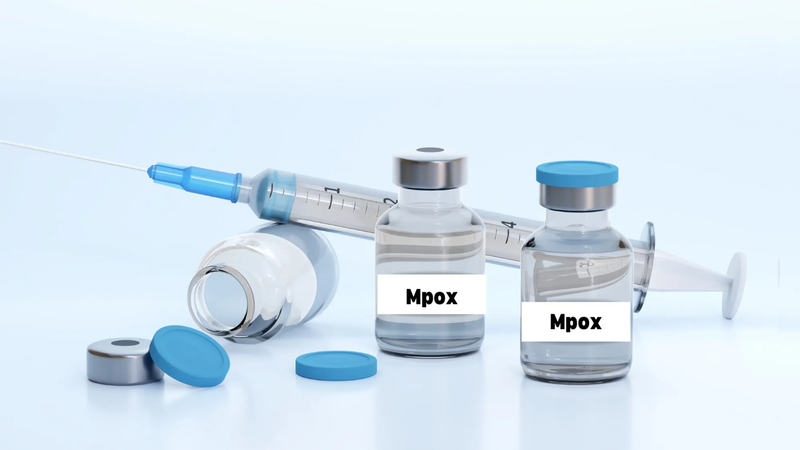
CALIFORNIA – The United States has confirmed its first case of the more aggressive Clade I strain of Mpox, the US Centres for Disease Control and Prevention (CDC) announced on Saturday. The individual, who had recently travelled from Eastern Africa, was diagnosed after returning to California and received medical treatment shortly thereafter. According to the CDC, the affected person has been isolated at home and is showing signs of recovery. They are not currently receiving any specific treatment for Mpox, as their symptoms are improving. Health officials emphasized that the risk to the general public in the US remains low, and this case is linked to an ongoing outbreak of Clade I Mpox in Central and Eastern Africa. “The individual was treated promptly upon return to the United States and is now recovering at home,” the CDC stated. “The Clade I strain is associated with an outbreak in parts of Africa, and this case is a direct result of that ongoing situation.”
While this is the first reported case of Clade I in the United States, the more common Clade II strain has been circulating in the country since the global outbreak in 2022. The CDC continues to monitor the situation but reassured the public that the Clade I strain does not pose an immediate widespread threat. Mpox, also known as monkeypox, is a rare viral disease typically transmitted through body fluids, respiratory droplets, and contaminated materials. Symptoms often include fever, rash, and swollen lymph nodes, with the rash typically appearing on the hands, feet, chest, face, mouth, and genital areas. The incubation period for the disease can range from 3 to 17 days. The CDC has advised the public to avoid close contact with individuals showing symptoms of Mpox, as well as with their personal items or materials that may be contaminated. Vaccination remains a key measure for protection, and health authorities continue to recommend the vaccine for those at higher risk.
Meanwhile, Mpox continues to ravage the African continent. The Africa Centres for Disease Control and Prevention (Africa CDC) reported that the number of cases this year has already surpassed 50,000, marking a significant escalation in the ongoing outbreak. The Africa CDC declared the outbreak a public health emergency of continental security in mid-August, and the World Health Organization (WHO) soon followed by declaring Mpox a public health emergency of international concern. The WHO’s declaration activated its highest level of global alert for Mpox for the second time in two years, underscoring the severity of the outbreak. In addition to the growing number of cases, there have been challenges in vaccine distribution, particularly in East Democratic Republic of Congo (DRC), where vaccine rollout has been slow despite the urgent need for intervention.
Mpox was first detected in laboratory monkeys in 1958, but the current outbreaks are the largest in recorded history. The virus typically spreads through direct contact with bodily fluids, lesions, or contaminated materials, including shared bedding and clothing. As the global health community continues to respond to the Mpox threat, both the CDC and the Africa CDC are urging individuals in affected areas to take precautions and seek medical care if they experience symptoms consistent with the disease. Vaccination efforts are ongoing, though logistical challenges remain, particularly in regions with limited healthcare infrastructure.