

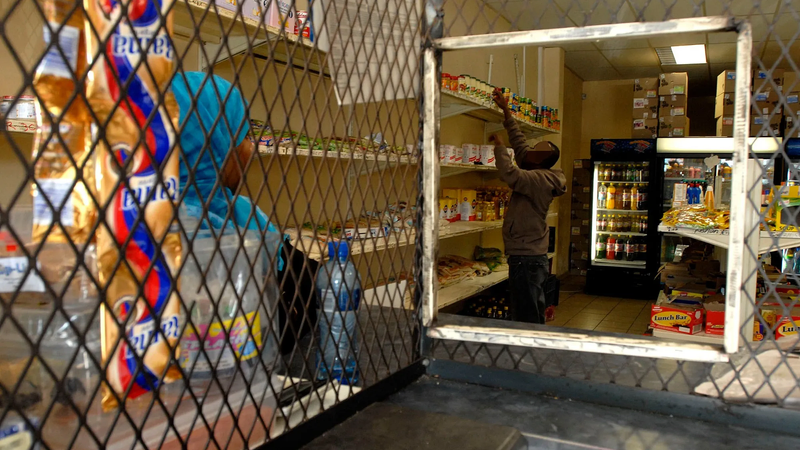
As the death toll from food-borne illnesses continues to rise in South Africa, Gauteng Finance MEC Lebogang Maile has called for urgent and “drastic” action to address the escalating crisis, particularly in communities where the outbreak of contaminated food is rampant. In the latest tragic case, 11-year-old Lesedi Mulaudi from Alexandra, north of Johannesburg, tragically died after consuming poisonous snacks from an illegal spaza shop on Saturday evening. Her mother, Maria, and four-year-old sister, Fentse, who also ingested the same snacks, are currently recovering in hospital. The community has since demanded the closure of these spaza shops, many of which are operated by illegal immigrants and often fail to comply with health and safety regulations.
In an interview with Newzroom Afrika, Maile expressed his deep concern, calling the situation a “crisis” and stating that immediate and drastic measures are required to curb the outbreak. “Whether you call it a state of emergency or disaster – there has to be drastic action because this situation has gone out of control,” said Maile. The tragic death of Lesedi Mulaudi follows a string of similar incidents across the country, with the Ndlovu family from KwaZulu-Natal’s uMzumbe region also mourning the loss of three children last week due to suspected food poisoning. Maile also admitted that government efforts to regulate township economies and ensure compliance with local laws are lacking. “Two weeks ago, we did indicate the state of lawlessness in many townships, with many spaza shops operating without proper registration and without adhering to basic health regulations,” he said.
Maile has been visiting grieving families across Gauteng to offer his condolences and support, and he emphasized that the government needs to reassess the entire value chain of food products sold in townships. He proposed that, if given the power, he would take drastic steps, including closing all unlicensed spaza shops and requiring owners to reapply for operating licenses. “We need to start from scratch. Shops that are on pavements, that are unlicensed, must be closed,” Maile added, suggesting that all spaza shop owners should undergo a strict verification process before new licenses are issued. He also stressed the importance of involving communities in these discussions to get their input on potential solutions. As the death toll continues to rise and communities demand action, Maile’s call for a state of disaster could mark the beginning of a more coordinated effort to tackle the serious issue of food safety in South Africa’s townships.
Tshwane metro cop allegedly caught driving passenger to withdraw bribe, faces investigation
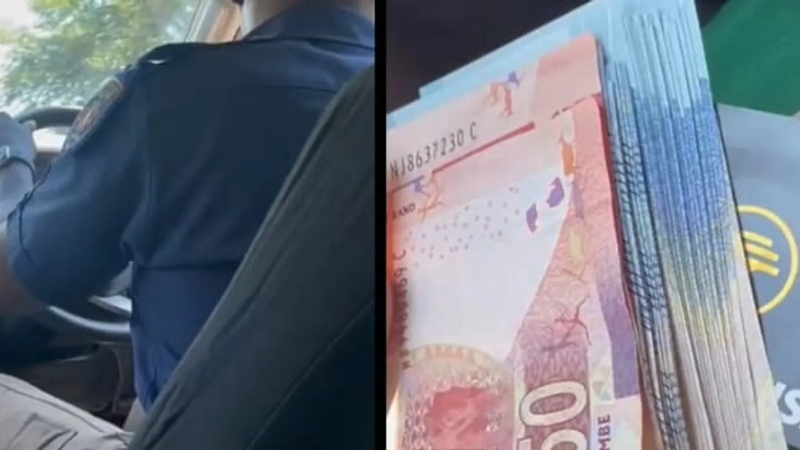
The Tshwane Metro Police Department (TMPD) has launched an internal investigation after one of its officers was caught on camera allegedly soliciting a bribe from a woman who was a passenger in his vehicle. A video circulating on social media shows the officer driving while the woman sits in the back seat. In the footage, the officer can be heard telling the woman, “When you get to the ATM, I want you to take out the money. Don’t even take five minutes at the ATM.” While it is unclear whose vehicle the officer was driving or the exact circumstances behind the interaction, the woman is seen withdrawing stacks of R100 and a few R50 notes from an ATM. However, the video does not show whether she handed any money to the officer.
In a statement released on Tuesday, the Justice, Crime Prevention and Security Cluster confirmed that the officer would be served with a notice of intention to suspend and must provide an explanation within 48 hours as part of the ongoing investigation. “A statement from the complainant and the member is required as part of the investigation process. These accusations of corruption are incompatible with the department’s beliefs and principles and will be handled decisively,” the statement read. The TMPD has also urged motorists not to pay any bribes to officers and encouraged victims of corruption to report such incidents to the TMPD, the Independent Police Investigative Directorate (IPID), or the South African Police Service (SAPS).
The statement stressed that Chief of Police Commissioner YCR Faro has adopted a zero-tolerance approach to corruption within the department. “Any illegal activity by members will not be tolerated as it tarnishes the reputation of the department,” it concluded. The investigation into the officer’s conduct is ongoing, and authorities have vowed to take swift action should the allegations be substantiated.