

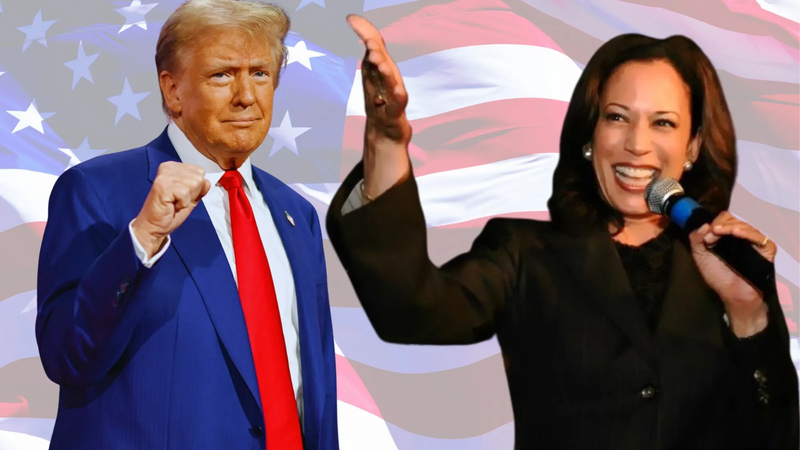
Former President Donald Trump has already declared an early victory following Tuesday’s elections in the United States, as millions of Americans cast their votes. With both Trump and Vice President Kamala Harris in a tight race, the outcome could have far-reaching implications not only for the US but also for South Africa’s economic future. Frederick Mitchell, an economist with Alumna Capital, shared insights into how the election result could impact South Africa, particularly concerning the Rand and US trade relations. South Africa’s economy is highly sensitive to US economic policies, as well as the US market’s sentiment toward emerging markets like South Africa.
According to Mitchell, US economic policies and trade actions can either strengthen or weaken the Rand. “Aggressive trade actions from the US may trigger a depreciation of the Rand, complicating the import landscape while driving up import prices. Conversely, anticipated investment and trade could strengthen the currency, depending on the US market’s response to Trump’s or Kamala Harris’s policies,” he explained. The implications of either a Trump or Harris victory present both opportunities and risks for South Africa. On the one hand, stronger economic growth and stable trade policies could yield significant benefits. On the other hand, protectionist measures and heightened geopolitical tensions under either administration could create substantial challenges for South Africa’s economy.
Mitchell also pointed out that market volatility is likely to increase, particularly if political risks influence global financial markets. “Significant fluctuations in listed stocks, bonds, and currency values are expected, particularly when political risks are at play,” he said. However, Mitchell believes there could be some stability in private equity and alternative investments, which often respond differently to political risk than publicly traded securities. He recommends that South African investors focus on alternative assets that may be less affected by political instability.
In the face of global market volatility, Mitchell suggests that South Africa should focus on leveraging the African Growth and Opportunity Act (AGOA), which allows duty-free access to the US market for certain South African exports. By doing so, South Africa can better navigate the uncertainties of US political shifts while positioning itself for economic growth. As the world’s largest economy, the US election outcome will undoubtedly affect South African trade, investment, and economic stability. Regardless of who wins—Trump or Harris—adaptability and strategic planning will be key for South Africa to maintain growth and ensure long-term stability.
President Xi Jinping congratulates Duma Boko on election as Botswana’s president
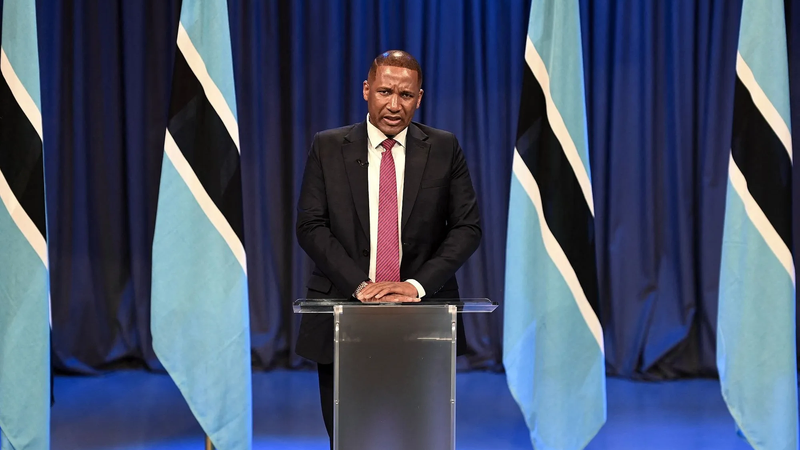
Chinese President Xi Jinping sent a message of congratulations to Duma Boko on Tuesday following his election as the new President of Botswana. In his message, President Xi highlighted the longstanding and traditional friendship between China and Botswana. Xi acknowledged the sound momentum of bilateral relations in recent years, noting the remarkable achievements in areas such as infrastructure, clean energy, and medical care. He emphasized that China-Botswana cooperation has made significant strides, benefiting both nations.
The Chinese leader also expressed his commitment to further strengthening the strategic partnership between the two countries. Xi reiterated his readiness to work closely with President Boko to elevate bilateral relations to a new level, ensuring more mutual benefits for the people of China and Botswana. President Xi’s message underscores the growing ties between the two nations and reflects China’s ongoing engagement with Africa as part of its broader foreign policy agenda.