

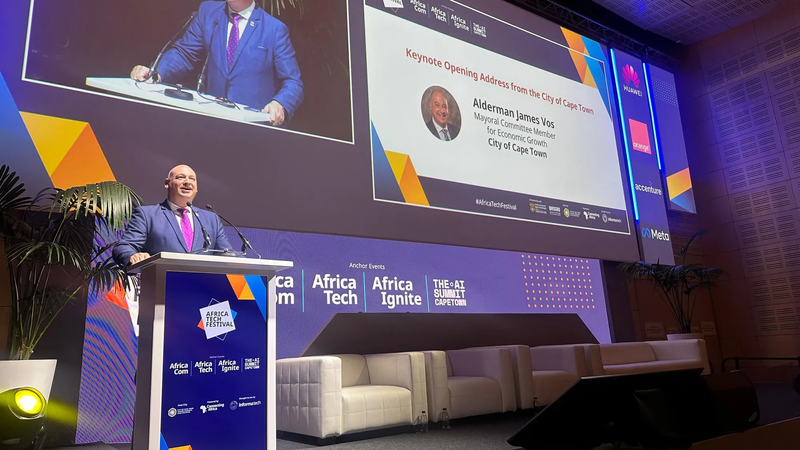
Cape Town, South Africa – As the Africa Tech Festival 2024 wrapped up on Thursday at the Cape Town International Convention Centre (CTICC), Alderman James Vos, the City of Cape Town’s mayoral committee member for economic growth, delivered a keynote address to delegates, emphasizing the central role of technology in driving the city’s development and its place as a key tech hub on the African continent. The Africa Tech Festival is one of the largest technology events in Africa, drawing industry leaders, innovators, entrepreneurs, and investors from around the world. The event offers a 360-degree view of how technology is transforming industries across the continent, with a focus on how digital strategies are reshaping Africa’s economy and society. In his address, Vos highlighted Cape Town’s growing reputation as a vibrant tech hub, ideal for hosting such a significant event. “As a key tech hub on the continent, Cape Town is the perfect destination for this major event, which brings together entrepreneurs, venture capitalists, and stakeholders for valuable networking and collaboration on emerging trends,” Vos said.
The city’s support for the festival is part of its broader commitment to becoming a leader in Africa’s digital future. Vos pointed out that technology plays a pivotal role in enabling the city government to better serve its communities by improving efficiency and addressing urban challenges. Vos used the City of Cape Town’s Ease of Doing Business programme as a key example of how technology is being leveraged to improve government services. The initiative tracks the efficiency, costs, and processes of municipal services to identify areas for improvement. The City has also launched a mobile app designed to provide residents with real-time updates on service requests, notifications, and alerts. “We’re using tech to track and streamline our operations, increase productivity, and make sure residents have a seamless experience when interacting with their local government,” said Vos. “The app keeps residents informed in real-time about updates, incidents, and any service disruptions.”
Vos also pointed to the City’s expanding collaborations with other municipalities across Africa. By sharing best practices and digital strategies, Cape Town is contributing to the development of more efficient government services throughout the continent. “This initiative reflects our commitment to building a tech-powered foundation for sustainable urban growth across Africa,” Vos added. The city’s growing reputation as a tech investment hub was also a focal point of Vos’s address. “Cape Town is home to 51% of South Africa’s start-ups, and the city’s vibrant entrepreneurial ecosystem is supported by up to 30 active incubators, accelerators, and support organisations,” he said. This ecosystem helps nurture start-ups at every stage of their development, from early ideas to fully-fledged businesses. One of the organisations Vos highlighted was UVU Africa, a key partner in the City’s efforts to foster entrepreneurship. UVU Africa has been instrumental in helping thousands of emerging entrepreneurs, especially women, develop the skills and networks they need to succeed. Vos shared the story of a young entrepreneur who joined UVU Africa’s Women in Business programme in 2020. Today, she runs a thriving biotech company, a testament to Cape Town’s supportive environment for innovation.
In closing, Vos underscored his belief in the transformative power of technology, not just as a tool but as a bridge to the future. “When it comes to economic development, I believe deeply in the potential of technology to drive change. Technology is more than just a tool; it is a bridge to the future,” he said. “The City of Cape Town is excited to continue making Cape Town a focal point for African innovation and to set an example for how tech can power economic and social change across the continent. The success of the Africa Tech Festival 2024 in Cape Town reinforces the city’s status as a leader in Africa’s digital transformation. With continued support for start-ups, investment in tech infrastructure, and partnerships with municipalities across Africa, Cape Town is positioning itself at the forefront of innovation on the continent. As the festival concluded, it was clear that technology, collaboration, and entrepreneurship will play a key role in shaping the future of Africa’s economies.
Households warned against dangers of installing refurbished geysers
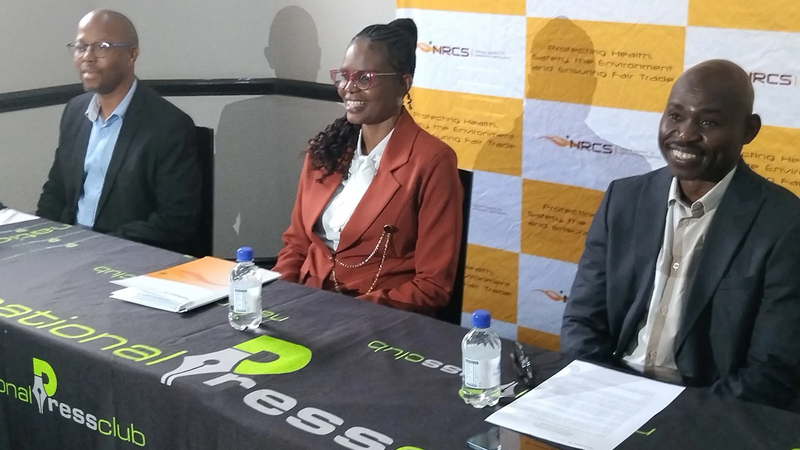
Pretoria, South Africa – The National Regulator for Compulsory Specifications (NRCS) issued a stern warning on Thursday regarding the growing trend of refurbished domestic geysers flooding the market. Tinswalo Nthlane, General Manager of Electro-Tech at the NRCS, highlighted the safety, reliability, and long-term cost concerns associated with purchasing these refurbished geysers, which are increasingly being marketed as budget-friendly options for consumers. Addressing the media at the National Press Club in Pretoria, Nthlane urged the public to exercise caution when buying geysers, particularly those that have been refurbished or acid-washed. “While refurbished geysers may seem like a cost-effective choice, the risks involved—such as explosions, leaks, and electric shocks—can far outweigh the initial savings,” she said, flanked by acting CEO Duncan Mutengwe and inspection manager Thabo Mabena.
Nthlane explained that geysers are integral to daily household operations, accounting for up to 50% of a home’s electricity usage. Despite their importance, an increasing number of non-compliant geysers—especially those that are refurbished or acid-washed—have entered the market. These geysers, often sourced from dubious sellers, present significant safety hazards. “Refurbished geysers, especially those that have undergone acid washing or have had their shells re-welded, are vulnerable to dangerous malfunctions, including explosions,” Nthlane warned. “The acid-washing process weakens the metal shell, making it more prone to rupture under pressure, leading to potentially catastrophic explosions.” Refurbished geysers are also more likely to experience issues such as water leakage, electric shocks, and reduced energy efficiency. In contrast, compliant geysers undergo strict testing under the South African National Standards (SANS 151) to ensure safety and reliability. These tests verify that compliant geysers can withstand high temperatures and pressure, significantly reducing the likelihood of dangerous malfunctions.
While refurbished geysers may seem like an affordable alternative, Nthlane cautioned that they often result in higher long-term expenses. “Refurbished geysers may initially save you money, but they often lead to frequent repairs and higher energy bills. The compromised insulation and weakened structure increase energy consumption and may shorten the lifespan of the appliance,” she explained. Compliant geysers, on the other hand, typically feature energy-saving designs and superior insulation, which not only improve safety but also help reduce electricity costs over time. “New geysers that meet the NRCS’s compulsory specifications are generally more durable, energy-efficient, and require less maintenance, which makes them a more cost-effective option in the long run,” Nthlane added. The NRCS also emphasized the importance of verifying the authenticity and compliance of geysers before purchasing. Compliant geysers must carry a Class B Energy Efficiency (EE) label and be accompanied by the NRCS Letter of Authority, which confirms that the product meets the required standards for safety and performance.
Nthlane urged consumers to be vigilant when purchasing geysers from unregulated sources and to always check for the appropriate energy efficiency labels. “If a geyser does not have the Letter of Authority, it has not been tested for safety or energy efficiency, and it is highly likely to be non-compliant,” she said. In addition to ensuring the geyser meets regulatory standards, Nthlane also stressed the importance of proper installation. “Even compliant geysers can pose risks if they are not installed correctly. Consumers must ensure that the installer is licensed and well-versed in the specific requirements for pressure and electrical connections,” she advised. The NRCS’s warning comes amid increasing concern over the sale of non-compliant and unsafe domestic appliances, which can pose significant risks to consumers’ health and safety. The regulator is urging the public to be cautious when purchasing any home appliances, especially geysers, and to always ensure that products comply with South African safety standards.
By raising awareness about the dangers of refurbished geysers and highlighting the benefits of compliant models, the NRCS aims to protect consumers and promote a safer, more energy-efficient future for South African households.