

Daniel Andreas San Diego, a US citizen and former fugitive on the FBI’s Most Wanted Terrorists list, has been arrested in the UK after more than 20 years in hiding, media reports confirmed, citing a spokesperson for the National Crime Agency (NCA). San Diego, 46, is linked to animal rights activism and is wanted in the US for two bombings he carried out in California in 2003. He was placed on the FBI’s Most Wanted list in 2009, with a $250,000 (approximately R4.5 million) reward offered for information leading to his capture. According to the NCA, officers, in collaboration with counter-terrorism policing and North Wales Police, arrested San Diego in the Conwy area of Wales at the request of US authorities. The arrest took place on Monday in a rural area, and San Diego has already appeared in court for the beginning of his extradition proceedings to the US.
“Daniel San Diego’s arrest after more than 20 years as a fugitive for two bombings in the San Francisco area shows that no matter how long it takes, the FBI will find you and hold you accountable,” FBI Director Christopher Wray said in a statement. San Diego was involved in two bomb attacks in the San Francisco Bay Area in 2003. The first occurred in August of that year, when he planted bombs at a biotechnology corporation in Emeryville, California. A month later, he detonated a bomb wrapped with nails at a nutritional products corporation in Pleasanton. After the attacks, San Diego fled the country, and an arrest warrant was issued for him, but he remained elusive for years.
San Diego’s capture marks the end of an extensive, multi-decade manhunt by US law enforcement agencies. His arrest is expected to mark the beginning of his legal process for extradition to face terrorism-related charges in the US.
World leaders react to Lebanon war ceasefire
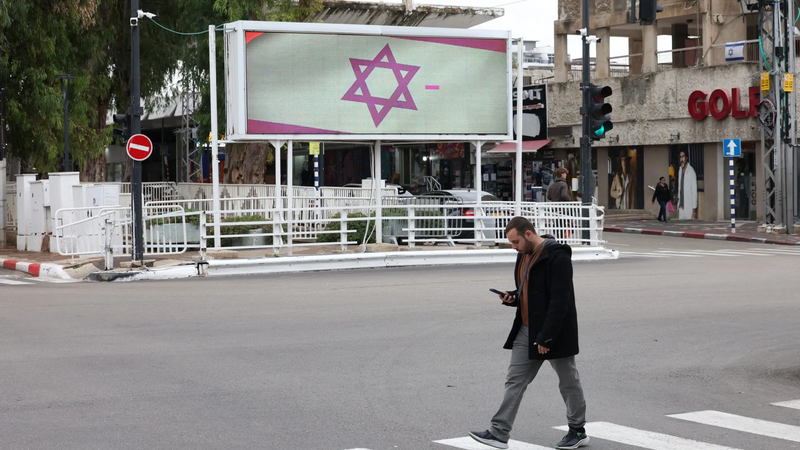
World leaders have expressed strong support for the ceasefire agreement between Israel and Lebanese militant group Hezbollah, which came into force on Wednesday morning, marking a significant de-escalation in tensions between the two parties. Here are key reactions from global leaders. U.S. President Joe Biden and French President Emmanuel Macron hailed the ceasefire, emphasizing that it would protect Israel from the threat posed by Hezbollah and other Iran-backed militant groups. In a joint statement, the two leaders said the ceasefire would create the conditions for a “lasting calm” in the region. They also pledged to work together to ensure the full implementation of the ceasefire agreement, including international efforts to build the capacity of the Lebanese military.
Israeli Prime Minister Benjamin Netanyahu expressed gratitude toward President Biden for his “involvement in securing the ceasefire” and emphasized Israel’s commitment to maintaining its “freedom of action” in enforcing the terms of the agreement. Netanyahu highlighted that the ceasefire would allow Israel to focus on increasing pressure on Hamas and addressing the “Iranian threat.” He also noted that the length of the truce would depend on events in Lebanon. Lebanese Prime Minister Najib Mikati called the ceasefire a “fundamental step” toward restoring stability in the region. Mikati thanked France and the U.S. for their role in facilitating the agreement and reiterated Lebanon’s commitment to strengthening its military presence in the southern part of the country.
Iran, a strong supporter of Hezbollah, welcomed the ceasefire, with Foreign Ministry spokesman Esmaeil Baghaei hailing the end of Israel’s “aggression” in Lebanon. Baghaei reiterated Iran’s steadfast support for Lebanon and its “resistance.” China expressed concern over the situation in Lebanon and Israel and supported efforts aimed at easing tensions. Foreign Ministry spokeswoman Mao Ning welcomed the ceasefire agreement and called for peace in the region. Qatar’s Foreign Ministry welcomed the ceasefire and expressed hope that it would pave the way for a similar agreement to halt the ongoing war in Gaza and Israeli assaults on the occupied West Bank. Jordan’s Foreign Ministry described the ceasefire as an “important step” but called for further international efforts to end the conflict in Gaza and address Israeli attacks in the occupied West Bank.
EU Commission President Ursula von der Leyen hailed the ceasefire as “very encouraging” and noted that it would contribute to increasing Lebanon’s internal security and stability by reducing Hezbollah’s influence in the country. Jeanine Hennis-Plasschaert, the UN’s special coordinator for Lebanon, welcomed the ceasefire but cautioned that “considerable work lies ahead” to ensure its full implementation. She emphasized that both parties must demonstrate unwavering commitment to the agreement. The ceasefire marks a critical development in the ongoing conflict, with world leaders urging continued dialogue and efforts to bring lasting peace to the region.