

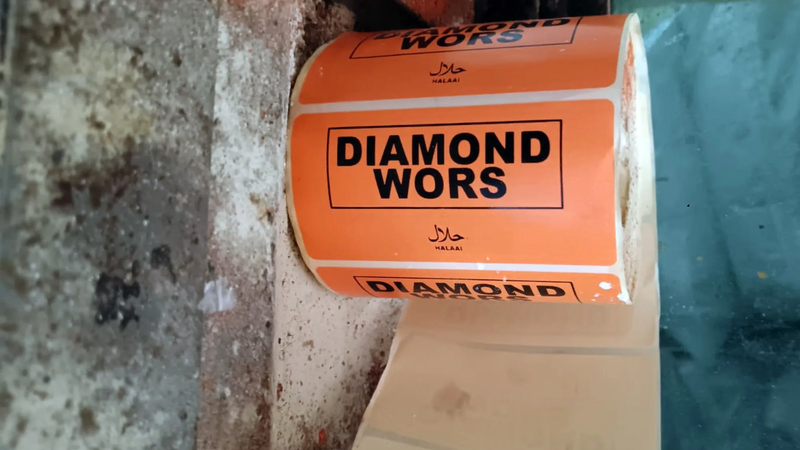
CAPE TOWN – The two owners of Gubta Meats and their employees made their second appearance in the Blue Downs Magistrate’s Court on Monday, following a police raid at their makeshift butchery in Mfuleni last week. The raid was carried out by the City of Cape Town’s law enforcement and police after authorities received a tip-off about unsanitary practices at the facility. The National Prosecuting Authority (NPA) confirmed that charges against a minor, who had been involved in the operation, were withdrawn. The minor has now been referred to the Department of Social Development for further investigation. The case centres on the discovery of sausages being prepared under highly unsanitary conditions, leading to the immediate closure of the butchery and the declaration of the site as a crime scene. Authorities uncovered evidence that food safety regulations had been flagrantly violated, prompting multiple charges under the Foodstuffs, Cosmetics and Disinfectants Act (Act 54 of 1972).
The owners of Gubta Meats, Abdi Kadiye (34) and Mohammed Ali Ahmed (36), both Somali nationals, along with their employees Kondwani Mwezhande (29), Smart Chipod (25), both from Malawi, and Abduallah Abdinour (a Somali national), are facing a range of charges including contravention of the Foodstuffs and Cosmetics Act and the Immigration Act. NPA spokesperson Eric Ntabazalila stated that the case against the three employees has been adjourned until November 25, 2024, for bail information. However, their bail application cannot proceed until the court secures an interpreter fluent in Chichewa, the language spoken by the Malawian employees. The case against the owners has also been postponed. Kadiye and Ahmed’s bail information hearing has been set for November 25, 2024, while their formal bail application will be heard on December 2, 2024.
The raid and subsequent arrests have drawn attention to the ongoing issue of unlicensed butchery operations in the Western Cape, with authorities emphasizing the importance of adhering to food safety and immigration laws to protect both public health and the integrity of the local economy. The City of Cape Town has pledged to continue cracking down on illegal and unsafe food production practices, working in collaboration with law enforcement to prevent further violations.
‘Where’s the money from?’: Bosa demand answers on R500 million fund aimed at township spazas
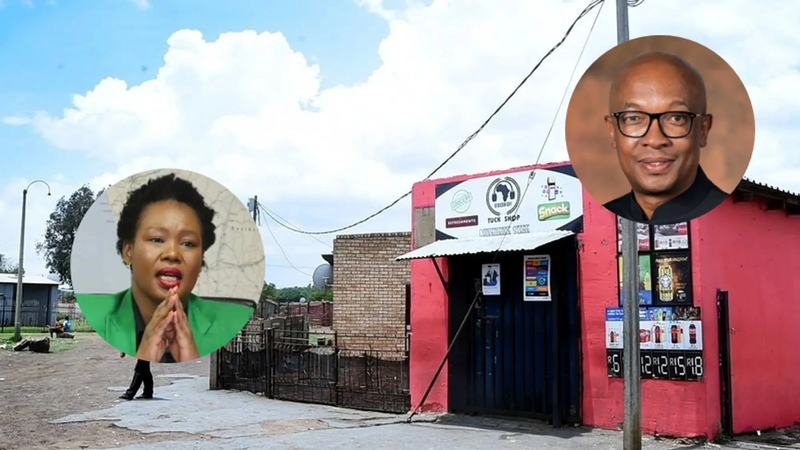
PRETORIA – Build One South Africa (Bosa) is calling for urgent transparency and accountability regarding the R500 million fund announced by President Cyril Ramaphosa to support local businesses, particularly those in townships, following a spate of food poisoning incidents across the country. Bosa’s acting spokesperson, Roger Solomons, has requested that Minister of Trade, Industry and Competition, Parks Tau, and Minister of Small Business Development, Stella Ndabeni-Abrahams, appear before Parliament’s Standing Committee on Appropriations to explain the origin of the funds and how they will be allocated. This call follows Ramaphosa’s announcement on Friday that the R500 million would be used to support township and rural businesses, especially community convenience shops, in light of the food safety crisis that has seen 890 reported cases of food-borne illnesses since September. While Bosa welcomed the initiative aimed at bolstering township economies, Solomons raised concerns over potential mismanagement and the need for strict oversight to prevent abuse of public funds. “This cannot be another slush fund for politically connected individuals or a vehicle for corruption,” Solomons stated. He emphasized the need for clear answers regarding the fund’s management, the criteria for selecting beneficiaries, and how its success will be measured.
Ramaphosa’s announcement was prompted by the alarming number of food poisoning cases linked to hazardous chemical pesticides, including Terbufos and Aldicarb, which are being used illegally in some townships to control pests. These chemicals have been implicated in several deaths and widespread illness, prompting calls for stricter food safety regulations and improved waste management. The R500 million fund, as outlined by the president, will go toward refurbishing businesses, providing non-financial support such as technical skills, regulatory compliance, and capacity building. However, Bosa questions the process behind the disbursement of these funds and the role of government departments in managing them. “We need clarity on how this money will be managed. Will it be overseen by an independent body or government departments? What checks and balances are in place to ensure fairness, inclusivity, and transparency?” Solomons asked. He also called for the creation of a multi-stakeholder oversight committee to include civil society, business representatives, and independent auditors. “This is the only way to ensure that the fund achieves its intended impact and that there is accountability for every cent spent,” Solomons added.
In addition to demanding transparency over the fund, Bosa reiterated its call for townships to be declared Special Economic Zones (SEZs), which would unlock further opportunities for economic growth and address the longstanding issue of spatial economic exclusion. Solomons argued that establishing SEZs in townships would not only create jobs but also help undo some of the enduring legacies of apartheid-era economic policies. “The legacy of apartheid continues to impact townships today, where economic opportunities remain limited, and poverty and unemployment are widespread,” said Solomons. “Empowering township entrepreneurs is crucial for fostering local economies, creating jobs, and stimulating innovation.” Bosa’s call for greater oversight and its emphasis on the empowerment of township businesses highlights growing concerns about how public funds are managed and spent, especially in light of the country’s ongoing food safety challenges. As the government rolls out initiatives to support local businesses, Bosa stresses the importance of clear plans, transparent processes, and measurable outcomes to ensure that these funds have a tangible impact on township economies.