
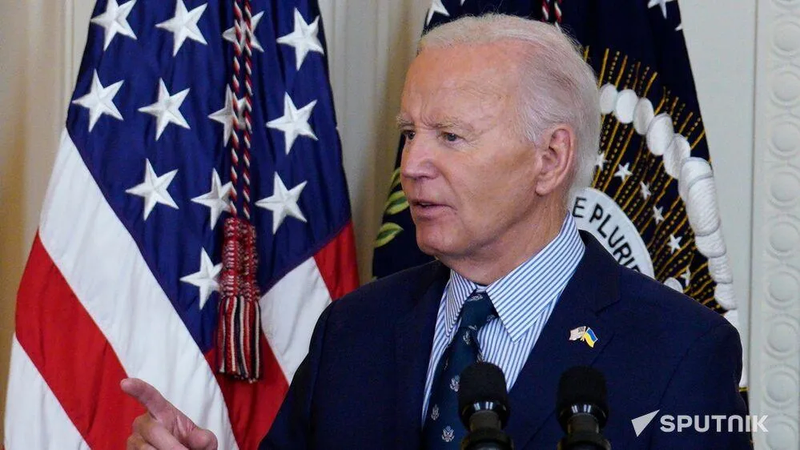
US President Joe Biden has approved a new national security memorandum aimed at guiding President-elect Donald Trump’s administration in tackling the increasing cooperation between key US adversaries: China, Iran, North Korea, and Russia. The memorandum, reported by AP on Wednesday, has been classified and will not be publicly released due to the sensitivity of its contents, according to senior White House officials.
The document outlines four key recommendations to strengthen US strategies in addressing these adversaries. First, it calls for enhanced interagency cooperation to ensure a unified approach across the government. Second, it emphasizes the importance of accelerating the sharing of intelligence and information with US allies to better understand and counter adversary plans. Third, the memorandum urges a more calibrated use of sanctions and other economic measures to maximize their effectiveness. Finally, it stresses the need for improved preparedness to manage multiple crises involving these adversaries simultaneously.
These strategic directives are part of a broader effort to adapt to the evolving global security environment and better position the US to respond to the challenges posed by its main rivals.
Syrian political process should take place without outside interference
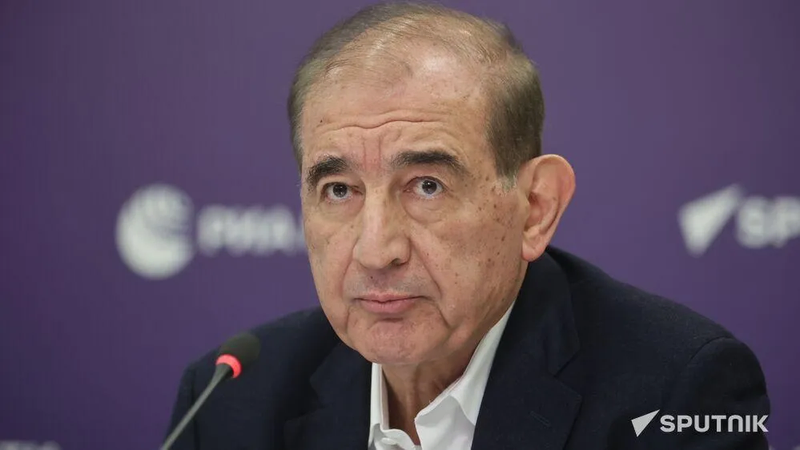
Qadri Jamil, the head of the Syrian opposition’s Moscow Platform, has emphasized that the inter-Syrian dialogue and political process following the stepping down of President Bashar Assad should occur solely within Syria, free from outside interference, and with Damascus as the focal point. In an interview with Sputnik, Jamil stated, “Now favourable conditions should appear and are in place for them [political processes] to be held in Damascus… We insist that the entire Syrian process take place without interference from any outside party. Any!”
Jamil outlined that the political process, which includes organizing elections and amending the Syrian constitution, should be handled domestically, marking a critical step toward resolving the ongoing conflict. He added that the Astana format countries—Russia, Iran, and Turkey—have an important role in fostering dialogue among all Syrian opposition groups to ensure a peaceful and smooth process. The ultimate goal, according to Jamil, is to implement UN Security Council Resolution 2254, which calls for a ceasefire and political transition in Syria.
Jamil also indicated that once the political resolution is achieved, the Astana format would no longer be necessary. “If the situation is resolved, then the Astana format will have fulfilled its task,” he stated. This call for a Syria-led political process follows the recent capture of Damascus by Syria’s armed opposition on December 8. Russian officials have reported that President Bashar Assad stepped down following negotiations with various parties involved in the Syrian conflict and fled to Russia, where he has been granted asylum. In a significant development, Mohammed al-Bashir, a leader of an Idlib-based administration formed by opposition groups, was appointed interim prime minister on Tuesday.
The evolving political landscape in Syria is creating a pivotal moment for the future of the country, with hopes for a resolution to the prolonged conflict and the establishment of a new government led by the opposition.